Original Article Published by AVMA News
The U.S. Department of Agriculture (USDA) is continuing its phased reopening of Southern ports to Mexican livestock imports.
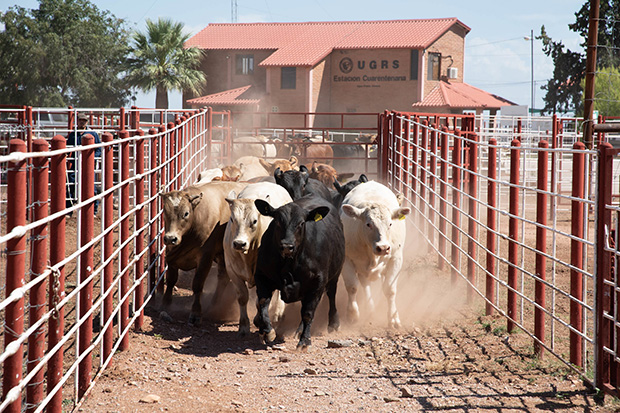
On September 24, the port of entry in Santa Teresa, New Mexico—located near El Paso, Texas—reopened to feeder cattle from San Jerónimo, Chihuahua. The plan is to allow an estimated 800 head during the first four weeks, with a gradual increase to 1,500 head per day, according to a September 18 update from Mexico’s National Service of Agro-Alimentary Health, Safety, and Quality (SENASICA).
The port is about 150 miles southwest from one of the most recently documented NWS cases in the U.S. The USDA’s National Veterinary Diagnostic Laboratory confirmed a case of screwworm myasis in a horse on September 17 in Grant County, New Mexico. That’s the second case in the state since a dog in Lea County, New Mexico, recovered from NWS myiasis in June, the New Mexico Department of Agriculture announced.
“After confirmation, teams immediately began implementing actions in the NWS Response Playbook; establishing a 20-km infested zone in the area, advancing the epidemiological investigation, rapidly deploying sterile NWS flies, and expanding trapping and wildlife surveillance,” according to the USDA’s Animal and Plant Health Inspection Service (APHIS) Facebook post.
Confirmed cases
APHIS has recorded 51 confirmed cases of NWS since June. In addition to the horse in New Mexico, the other active U.S. cases are in a goat confirmed on September 26 in Crockett County, Texas, and a horse confirmed on September 9 in Presidio County, Texas. A wild NWS fly was also detected September 25 in a fly trap in Brewster County, Texas.
On the other side of the border, Mexican health authorities report 2,055 active cases in total, 990 of which are in cattle. SENASICA has confirmed 44 active NWS cases in the Mexican state of Nuevo León, which borders Texas. The most recent screwworm case reported in Mexico was September 28 in a horse in the state of Coahuila, about 87 miles from the U.S.-Mexico border.
Previously, the threat of screwworm infestations kept all U.S.-Mexico ports of entry closed to livestock for more than a year. In July, the USDA announced a phased reopening of Southern U.S. ports of entry to livestock trade.
The federal government restarted cattle imports on August 24 at the port in Douglas, Arizona. However, the USDA again halted inspections after being notified that the cattle chutes on the Mexico side of the border had “become inoperable” after welding modifications, according to a September 9 story from Phoenix-based KJZZ. The cattle crossing again reopened September 8.
Reopening process
Every animal entering the U.S. through these ports is to receive multiple veterinary inspections, including by USDA veterinarians, to ensure it is free of any signs of NWS. Any animal that fails to meet APHIS import criteria will be denied entry, and detection of NWS would immediately halt imports through the facility.
SENASICA also says livestock producers and officials with the Mexican state of Chihuahua have made changes to the port facilities in San Jerónimo, just across from Santa Teresa, to better protect against screwworm.
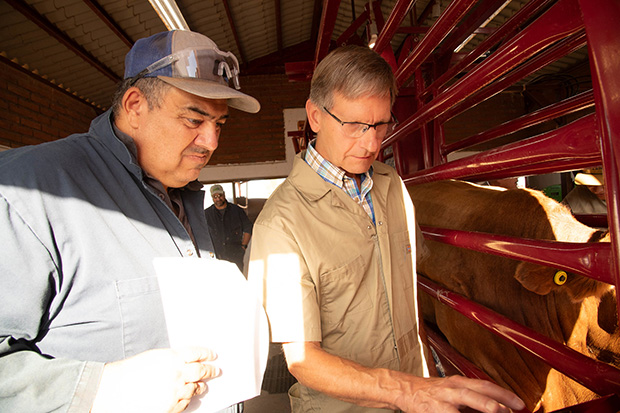
The improvements include the incorporation of canine teams trained to detect NWS, changing the product used in tick dips to meet USDA standards, installation of fans at strategic points to facilitate the identification of odors, and use of radio frequency readers to strengthen traceability for cattle destined for the U.S.
After Santa Teresa, the port in Columbus, New Mexico is next in line, which is one of the largest when it comes to livestock imports. Each year, hundreds of thousands of cattle cross the border at Santa Teresa, most of them destined for pastures and feedlots across the West and Midwest before eventually being processed for beef, according to the New Mexico Border Authority.
Despite precautions carried out during legal animal transport, illegal animal transport remains a threat. Reuters published a story earlier in September about growing concerns that smuggled animals, including horses, could be possible hosts for screwworm.
The USDA maintains that the reopening timeline will remain flexible and may be adjusted based on Mexico’s progress on meeting milestones and ongoing risk assessments via post-opening audits or other observations.
The AVMA is regularly updating a webpage dedicated to New World screwworm (NWS). It was created to support veterinarians in identifying and responding quickly and effectively to NWS cases.